10 สถานที่ท่องเที่ยวจังหวัดลําปาง ย้อนเวลากลับไปลำปางเมืองเหนือกาลเวลาที่เป็นแหล่งกำเนิดของอารยธรรมไทยล้านนา สะท้อนให้เห็นในวัด พิพิธภัณฑ์ และสถาปัตยกรรมท้องถิ่นหลายแห่ง ยังคงมีแหล่งท่องเที่ยวทางธรรมชาติที่สวยงามไม่แพ้จังหวัดใด จังหวัดอันเงียบสงบที่ควรค่าแก่การมาเยือน พาทุกท่านเที่ยวลำปาง สัมผัสธรรมชาติและ Slow Life ไปด้วยกัน จุดเช็คอินยอดนิยมในจังหวัดลำปางที่ไม่ควรพลาด ขอเล่าการวางแผนเที่ยวลำปางกับ TripGator ครับ ใครที่เคยไปวัดมาหลายแห่งและรักธรรมชาติไม่ควรพลาด มาดูสถานที่ท่องเที่ยวในจังหวัดลำปางที่น่าไปเยี่ยมชมบ้าง? เที่ยว ลําปาง
เที่ยวลําปาง 1 วัน จังหวัดลำปาง ลำปางเป็นเมืองแห่งยานพาหนะท่องเที่ยวและสถานที่ท่องเที่ยวในจังหวัดลำปาง ไม่ว่าจะเป็นวัด พิพิธภัณฑ์ หรือสถาปัตยกรรม ท่องเที่ยวท้องถิ่นในจังหวัดลำปาง อาหารอร่อย ที่พักสบายในจังหวัดลำปางไม่น้อยไปกว่าจังหวัดอื่นๆ
10 สถานที่ท่องเที่ยวจังหวัดลําปาง แม้ว่าลำปางจะไม่ใช่เมืองท่องเที่ยวหลักของภาคเหนือ แต่เชื่อเถอะ ที่นี่ก็ดีไม่แพ้จังหวัดอื่นๆ ไม่ว่าจะเป็นอัจฉริยะหรือคนธรรมดาที่ชอบไหว้พระก็สามารถมาลำปางและทำงานหนักได้ และความสวยงามมีความหลากหลายเพราะจังหวัดมีธรรมชาติที่น่าไปเยือนหลายประเภท ทั้งป่าไม้ น้ำตก น้ำพุร้อน เขื่อน ถ้ำ รวมถึงแหล่งท่องเที่ยวทางวัฒนธรรมที่เก่าแก่และน่าสนใจที่ให้ความรู้สึกเรียบง่ายไม่เวียนหัว ลำปาง. โต๊ะติดผนังมีหลายประเภท และทุกวันนี้ก็เดินทางได้ง่าย เพราะเที่ยวบินตรงลงจอดที่นี่ อ่านให้จบถ้าสนใจ คุณสามารถค้นหาตั๋วเครื่องบินได้ทันทีบนเว็บไซต์การท่องเที่ยว เพราะนอกจากตั๋วเครื่องบินโปรโมชั่นมากมายแล้ว ที่เที่ยว ลําปาง ในเมือง ยังมีฟีเจอร์ใหม่เปรียบเทียบราคาตั๋วเครื่องบินโปรโมชั่นของแต่ละสายการบินอีกด้วย! มีใครสนใจถูกและสะดวกมั้ยคะ? ก่อนไปลำปางเราจะแสดงวิธีการใช้ที่นี่ก่อน
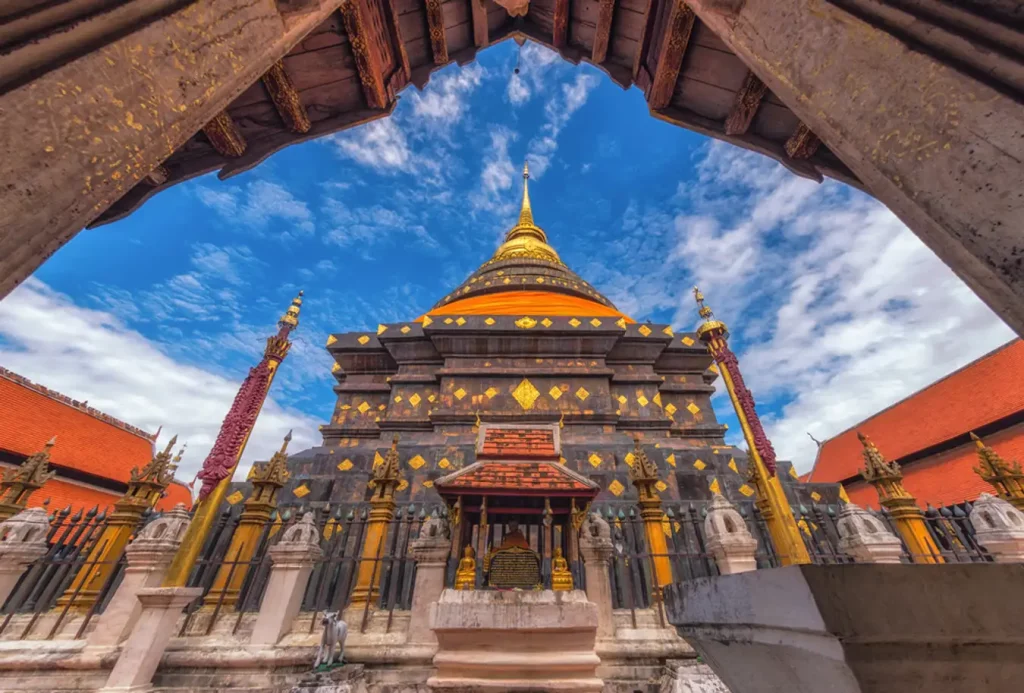
วัดพระธาตุลำปางหลวง วัดอันล้ำค่าของชาวลำปางแห่งนี้เชื่อกันว่าสร้างขึ้นในสมัยพระนางจามเทวี ในด้านความสวยงามสถานที่แห่งนี้ถือเป็นวัดไม้ที่สวยที่สุดแห่งหนึ่งในประเทศไทย วัดเขาซึ่งกล่าวกันว่าเป็นปีเกิดเป็นเจดีย์ที่สร้างขึ้นในรูปแบบศิลปะล้านนาที่มีการแกะสลักอย่างประณีต ที่เที่ยว ลําปาง 2566 ลงสีทองสวยงาม และรายละเอียดที่สวยงามรอบเจดีย์ มีพื้นที่ใกล้เจดีย์ซึ่งเงาของเจดีย์สามารถกลับหัวได้เนื่องจากการหักเหของแสงอันอัศจรรย์ วัดนี้มีรายละเอียดทุกตารางเมตร พลาดไม่ได้จริงๆ
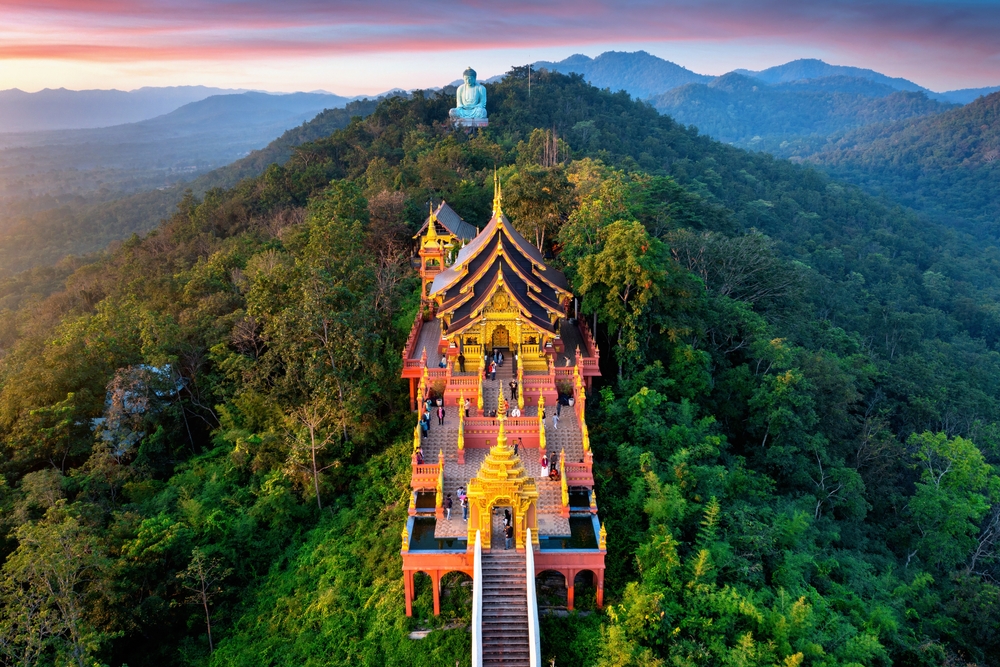
วัดเฉลิมพระเกียรติพระจอมเกล้าราชานุสรณ์ เรียกได้ว่านี่คือหนึ่งในสถานที่ท่องเที่ยวที่ถูกมองข้ามมากที่สุดในประเทศไทยและเป็นสถานที่ที่ใครๆ ก็แนะนำให้ปักหมุด ไม่ว่าจะทำบุญ อยากไหว้พระ หรือแค่มองหาจุดถ่ายรูปสวยๆ ที่นี่ตอบโจทย์ทุกคำถาม วัดมีลักษณะเป็นเจดีย์เล็กและใหญ่ที่สร้างขึ้นบนยอดเขา ซึ่งแคบและเล็กและมีแนวหินสูงจนน่าประหลาดใจ ที่เที่ยว ลําปาง ธรรมชาติ จากวัดประมาณ 30 นาที ขึ้นบันไดไปที่ลานจอดรถแล้วเดินต่อไปอีก 300 ขั้น ปางปาง 360 องศา เป็นอีกหนึ่งที่ที่ไม่ควรพลาดเมื่อมาเยือนลำปาง
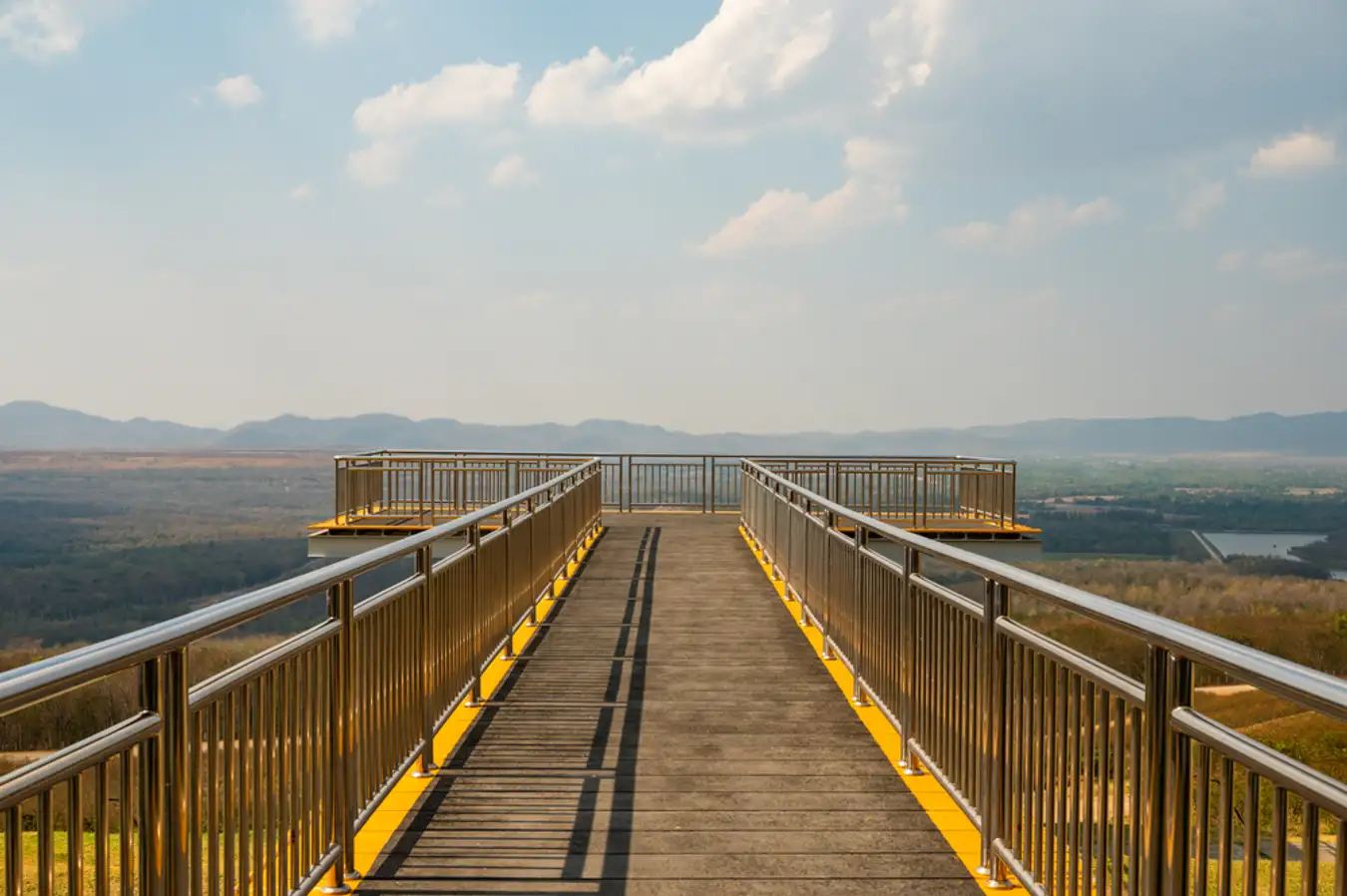
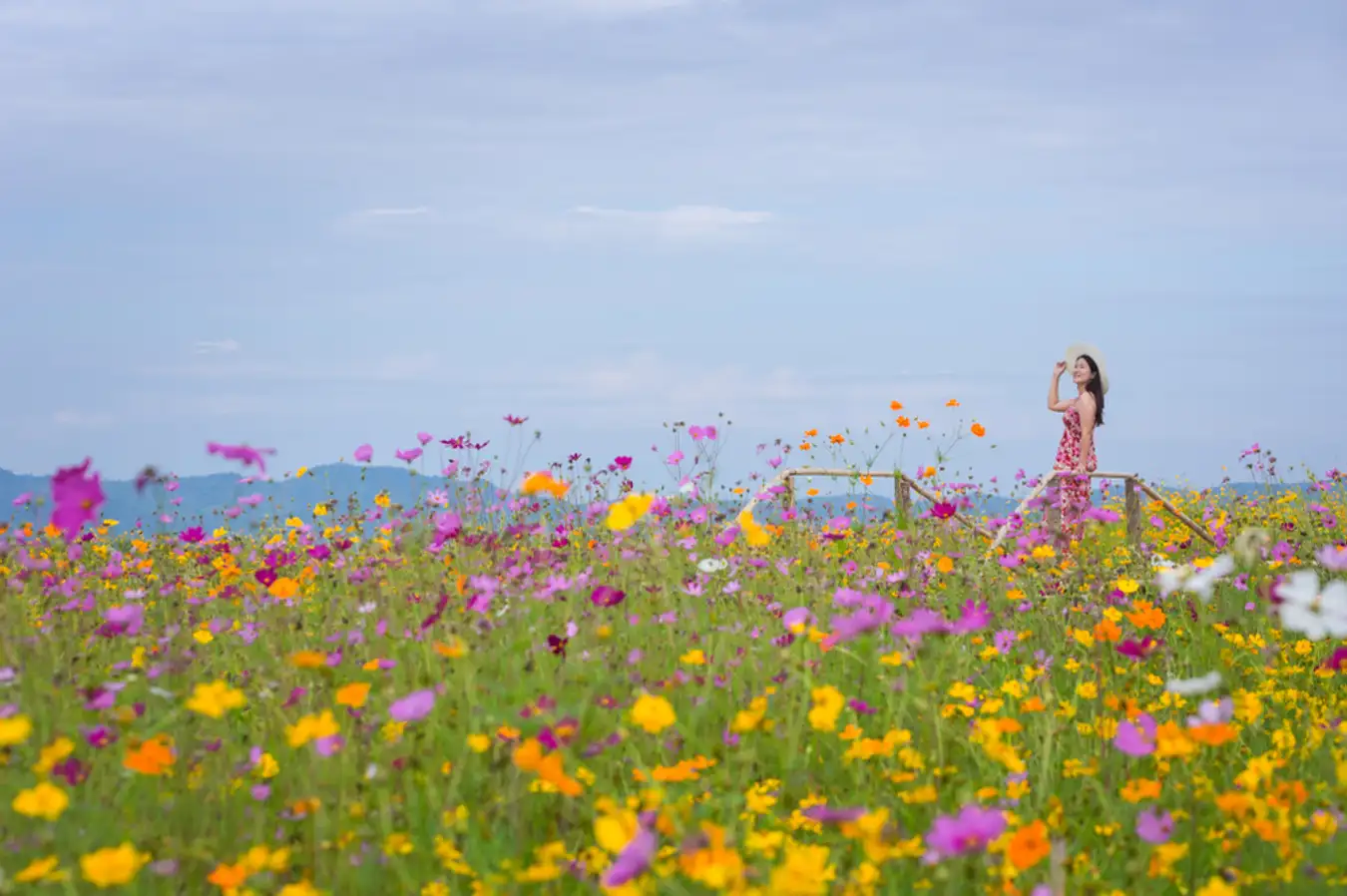
โรงไฟฟ้าแม่เมาะ สถานที่ท่องเที่ยวที่น่าจดจำอีกแห่งหนึ่งแต่เป็นไปได้อย่างไม่น่าเชื่อคือเหมืองลิกไนต์ที่ใหญ่ที่สุดในประเทศ และจุดผลิตไฟฟ้า แต่ที่น่าแปลกใจ ยังมีจุดท่องเที่ยวที่เรียกว่าบริการครบวงจรอีกด้วย ไม่ว่าจะเป็นสวนดอกไม้ สนามเด็กเล่น สไลเดอร์ พิพิธภัณฑ์ สะพานสวย สวนพฤกษศาสตร์ ใครวางแผนจะไปลำปางต้องปักหมุดไว้เลย เที่ยวลําปาง 3 วัน 2 คืน
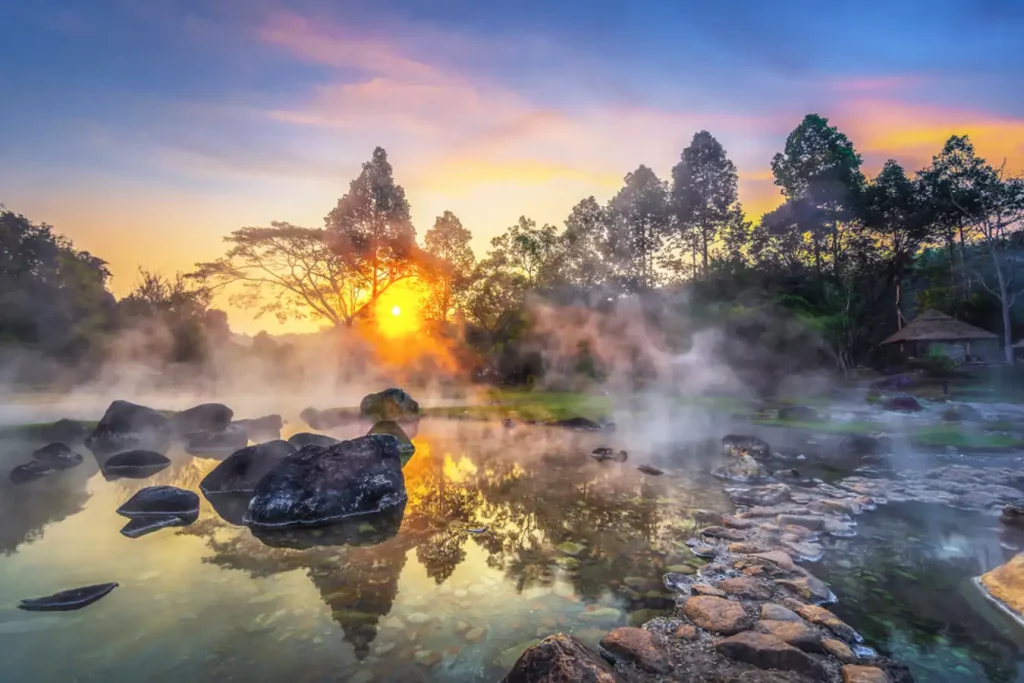
น้ำพุร้อนแจ้ซ้อน ถ้าไปต่างประเทศไม่ได้แต่อยากแช่ออนเซ็นพร้อมชมวิวญี่ปุ่นสวยๆ ปักหมุดที่นี่ เพราะที่นี่หนาวมาก น้ำพุร้อนจึงกระจายไปทั่วที่ราบกว้างในสระน้ำหลายแห่ง สระน้ำแต่ละสระมีน้ำแร่ที่ให้ความร้อนด้วยอุณหภูมิที่แตกต่างกัน น้ำพุร้อนที่ร้อนที่สุดมีอุณหภูมิสูงถึง 100 องศาฟาเรนไฮต์ จึงไม่แปลกที่จะเห็นไข่ขี้เกียจถูกโยนลงบ่อ มีทั้งสระว่ายน้ำส่วนกลาง สระว่ายน้ำส่วนตัวและสระว่ายน้ำกลางแจ้งที่คุณสามารถใช้ได้ มาลองแช่ดูครับ ที่เที่ยว ลําปาง 2023
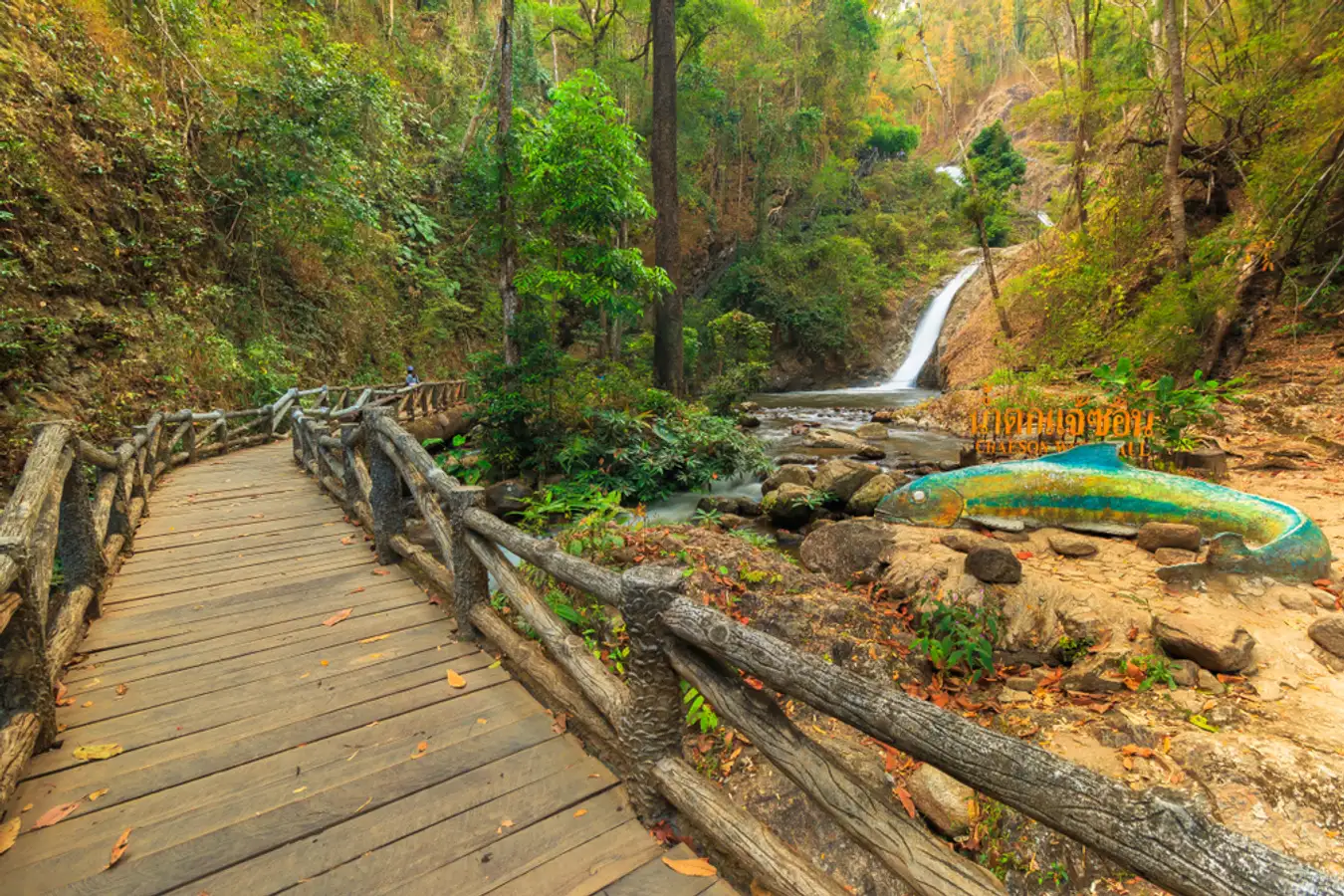
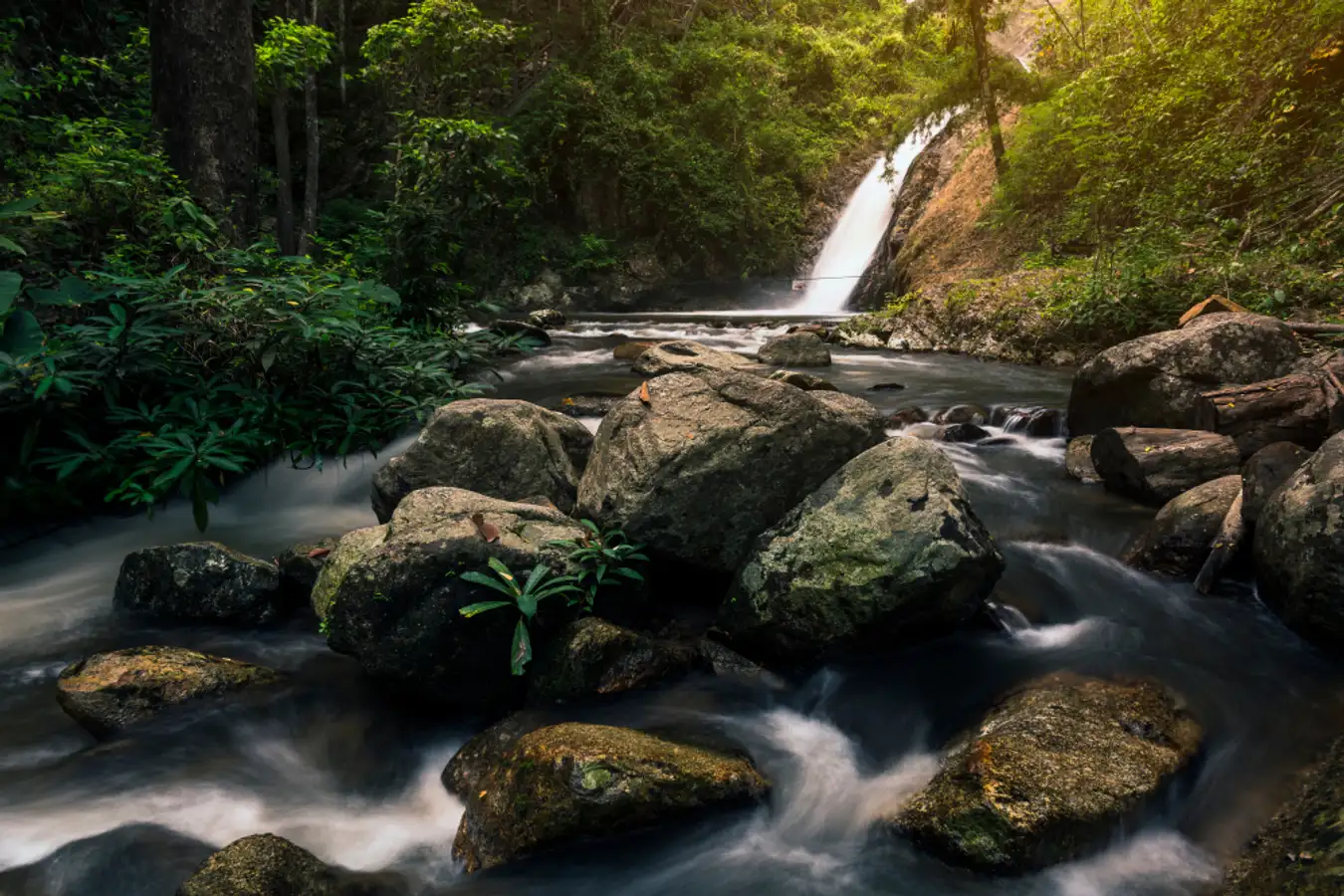
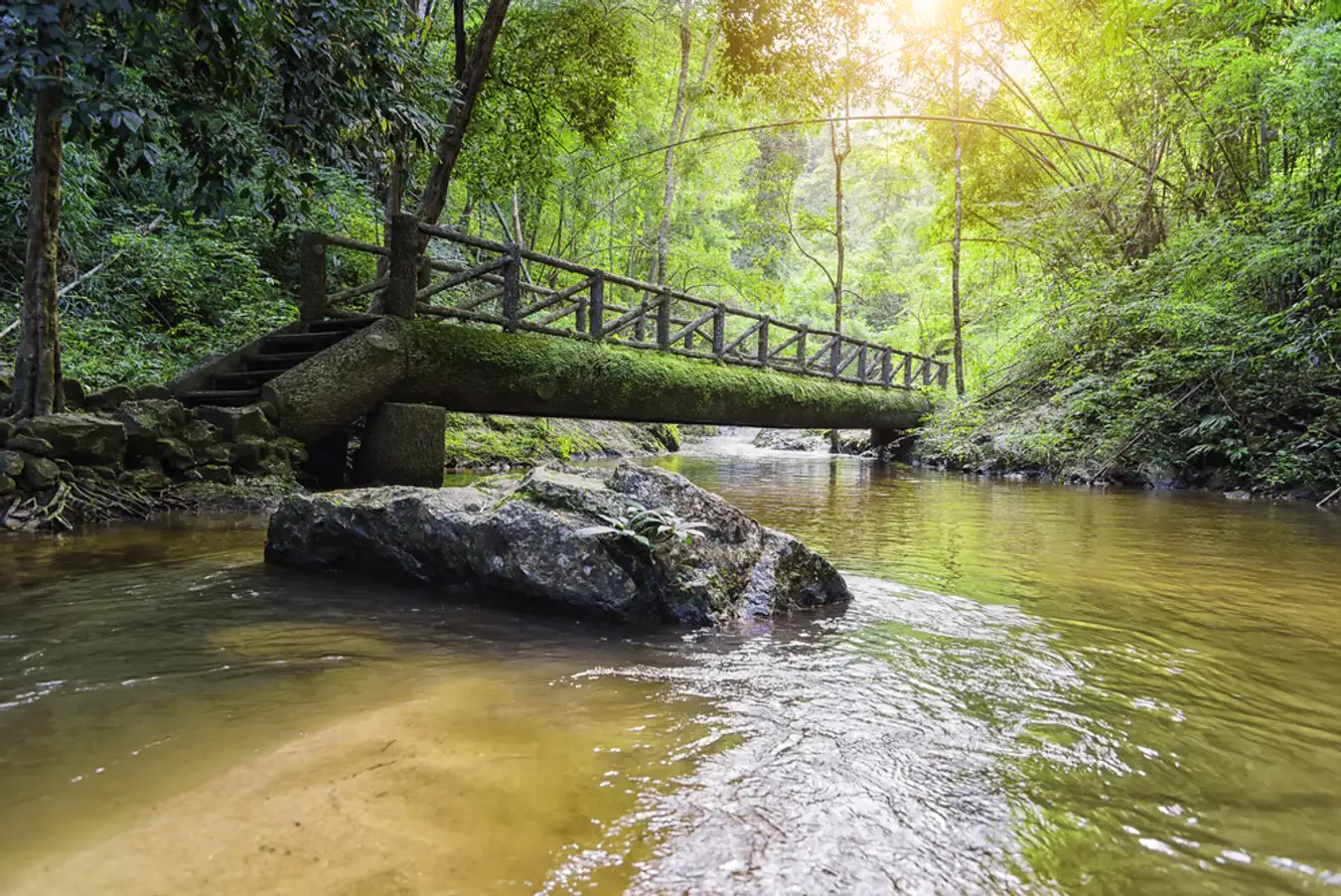
น้ำตกแจ้ซ้อน เดินต่อผ่านบริเวณบ่อน้ำพุร้อน ภายในมีทางเดินปูนเลียบแม่น้ำให้เดินได้สะดวก น้ำตก Chesson สามารถเยี่ยมชมได้สูงสุด 6 ครั้ง ที่เที่ยว จ.ลําปาง แต่ละระดับไม่ใกล้เคียงกันมากนัก แต่ถ้าใครชอบเดินเล่นดูนก ต้นไม้ และป่าไม้ บอกเลยว่าฟินมาก ที่สำคัญคือคนไม่เยอะมาก ใครที่ชอบสูดอากาศบริสุทธิ์และเดินเล่นสบายๆก็สามารถทำได้
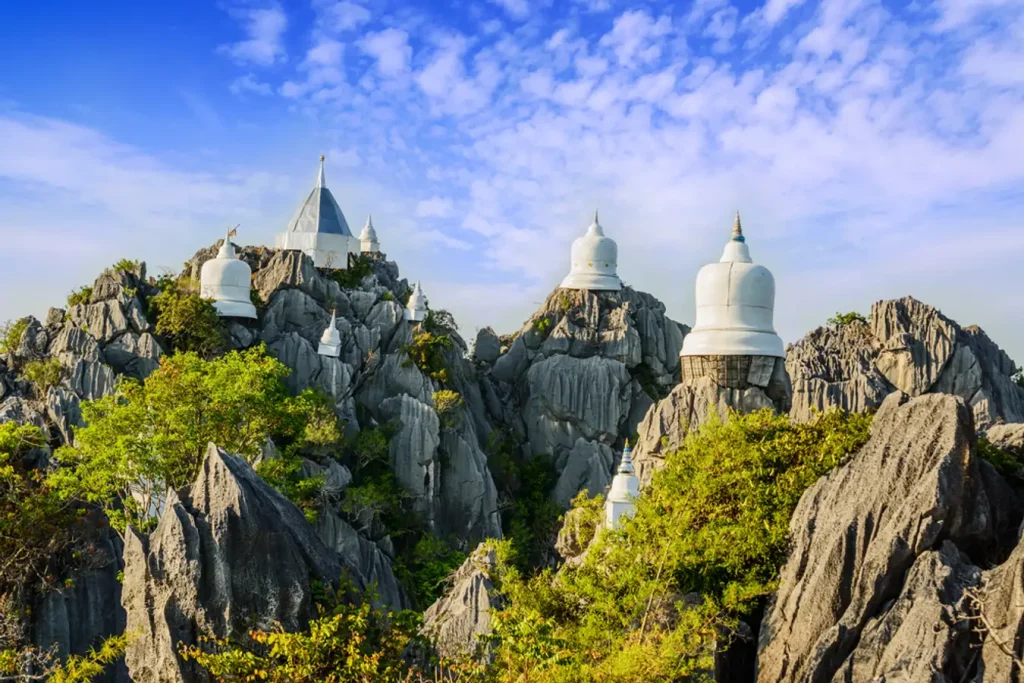
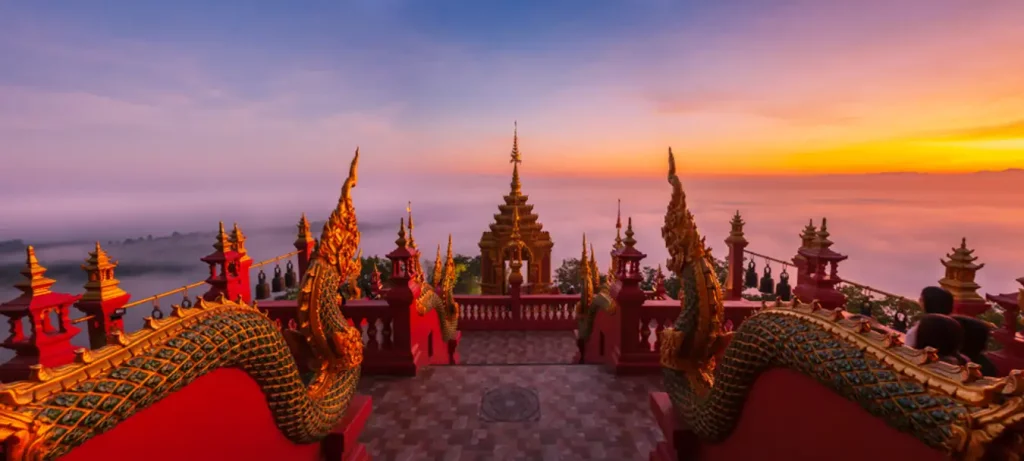
วัดพระธาตุดอยพระฌาน วัดที่สวยงามเป็นเอกลักษณ์ในอำเภอไม้ทาซึ่งตั้งอยู่บนยอดดอยพระจันทร์จากวัดร้างที่ได้รับการบูรณะให้สวยงามน่าทึ่งด้วยศิลปะสไตล์ล้านนาแบบดั้งเดิม เจดีย์ขาวยืนเป็นสัญลักษณ์มาเป็นเวลากว่าร้อยปี ที่เที่ยว ลําปาง pantip งดงามในทุกตารางนิ้วของวัดแห่งนี้ยังเป็นสถานที่ที่ดีเยี่ยมในการชมทะเลหมอกและทิวทัศน์ของอำเภอแม่ทา 360 องศาจากด้านบน เรียกได้ว่าสวยมาก และคนเยอะ ไม่พลุกพล่าน ทำให้บรรยากาศโดยรวมดูแปลกตามาก
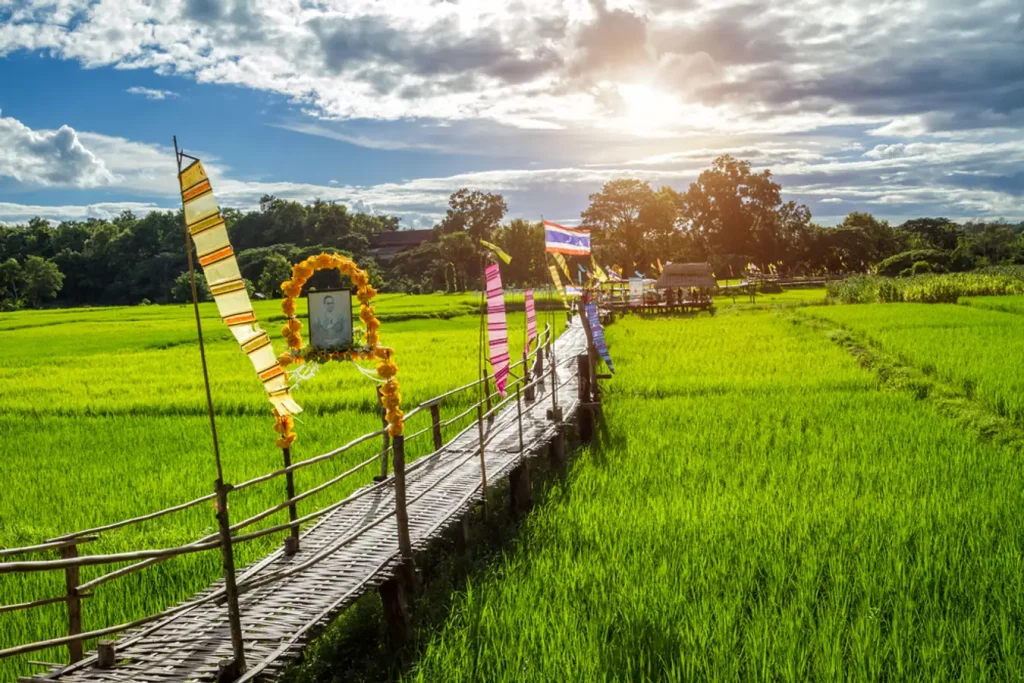
สะพานบุญวัดพระธาตุสันดอน ในนาข้าวแห่งนี้มีสะพานไม้ไผ่ยาว 360 เมตร อำเภอเมโรท่า ทอดยาวจากถนนลำปาง-เด่นชัย เข้าสู่ทางหลวงหมายเลข 1 หมายเลข 11 ถึงวัดพระธาตุสันดอน เดินผ่านทุ่งนาของชาวบ้านซึ่งเป็นวัดเก่าแก่ในอำเภอหมีธา ที่เที่ยว งาว ลําปาง ตามตำนาน หมู่บ้านที่ฝังตับของพระพุทธเจ้า เพราะจะทำให้สภาพของชาวบ้านดีขึ้น ชาวบ้านจึง บริจาคพื้นที่. เพื่อให้สะดวกแก่ผู้ที่ต้องการไปสักการะแต่ความสวยงามและบรรยากาศที่เย็นสบายทำให้เป็นสถานที่ท่องเที่ยว เป็นที่นาข้าวด้วย อ้อ!
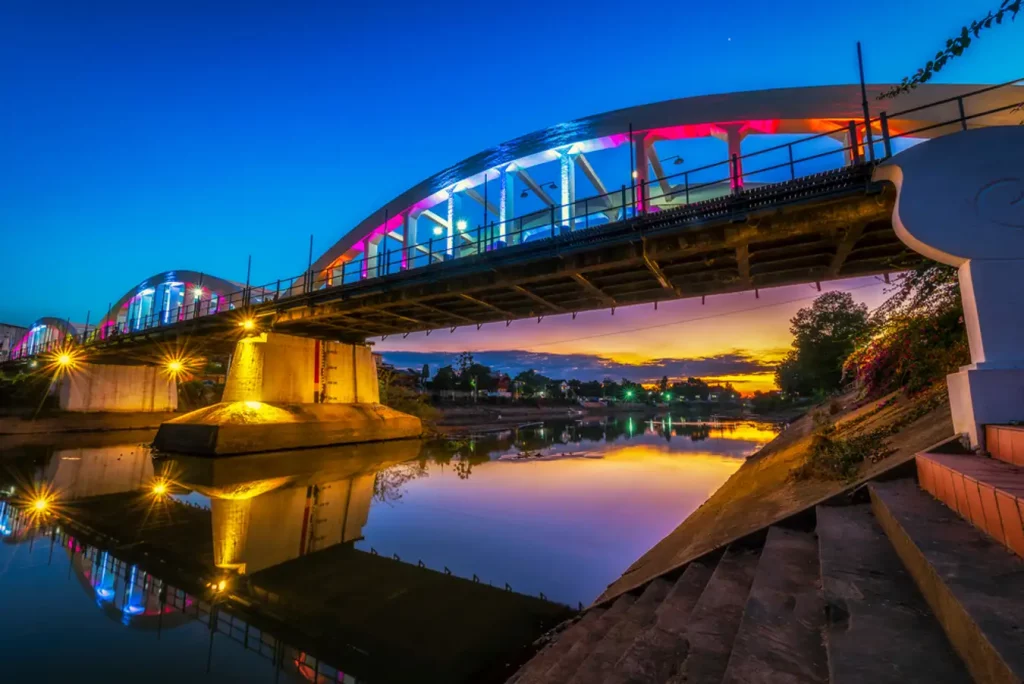
สะพานรัษฎาภิเศก สะพานเก่าแก่ใกล้เมืองลำปางเป็นสถานที่สำคัญทางประวัติศาสตร์ของจังหวัดมานานนับร้อยปี เนื่องจากมีซุ้มโค้งต่อเนื่องกัน 4 ซุ้มทอดข้ามแม่น้ำวังในรูปทรงคลาสสิกที่สวยงาม ทั้งสองฝั่งสะพานมีเสาสี่ต้นดูแปลกตา ปัจจุบันใครมาลำปางต้องแวะถ่ายรูปเช็คอิน ลําปาง ที่เที่ยว pantip
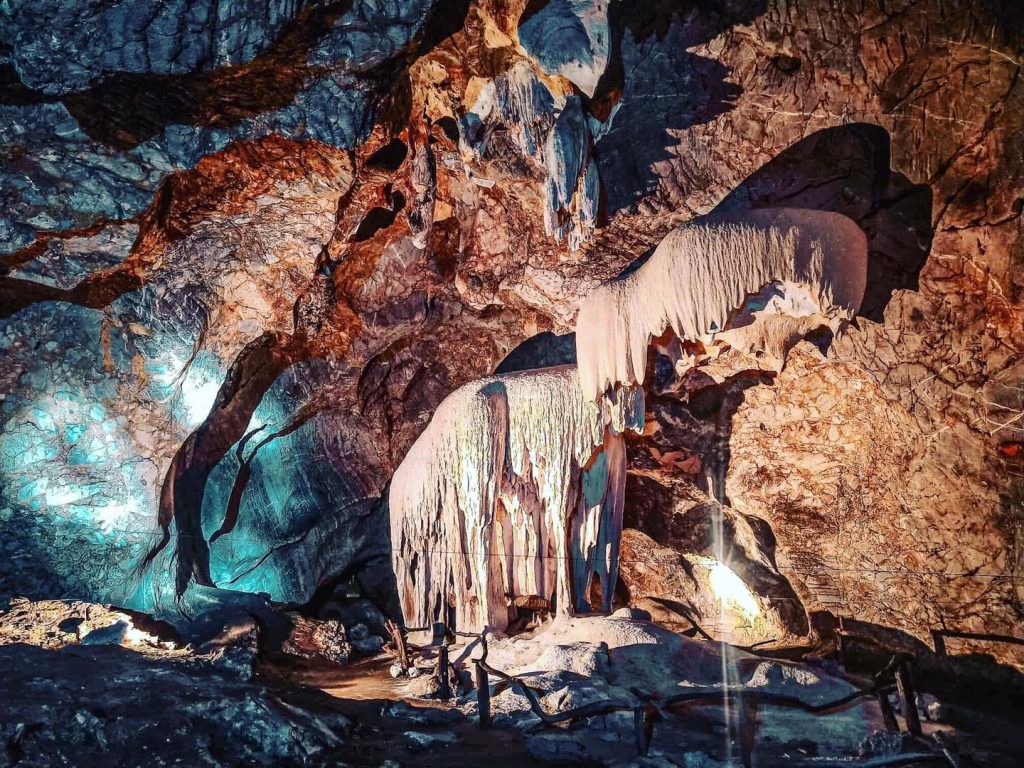
ถ้ำผาไท สิ่งที่น่าทึ่งที่สุดของถ้ำแห่งนี้คือเป็นถ้ำที่เก่าแก่ที่สุดแห่งหนึ่งในประเทศ!! พบเถ้าภูเขาไฟอายุ 15 ปีในถ้ำอายุ 1 ล้านปีในเมืองอานัมปา ถ้ำแห่งนี้จึงตั้งอยู่ในอุทยานแห่งชาติถ้ำผาไทย ถ้ำแห่งนี้ตั้งอยู่กลางป่าที่อุดมสมบูรณ์มากใน 3 อำเภอของจังหวัด ภายในถ้ำมีหินงอกหินย้อยสวยงาม นอกจากนี้ยังเป็นที่อยู่อาศัยของค้างคาวจำนวนมากตลอดระยะเวลา ใครชอบผจญภัยปักหมุดด่วนๆ
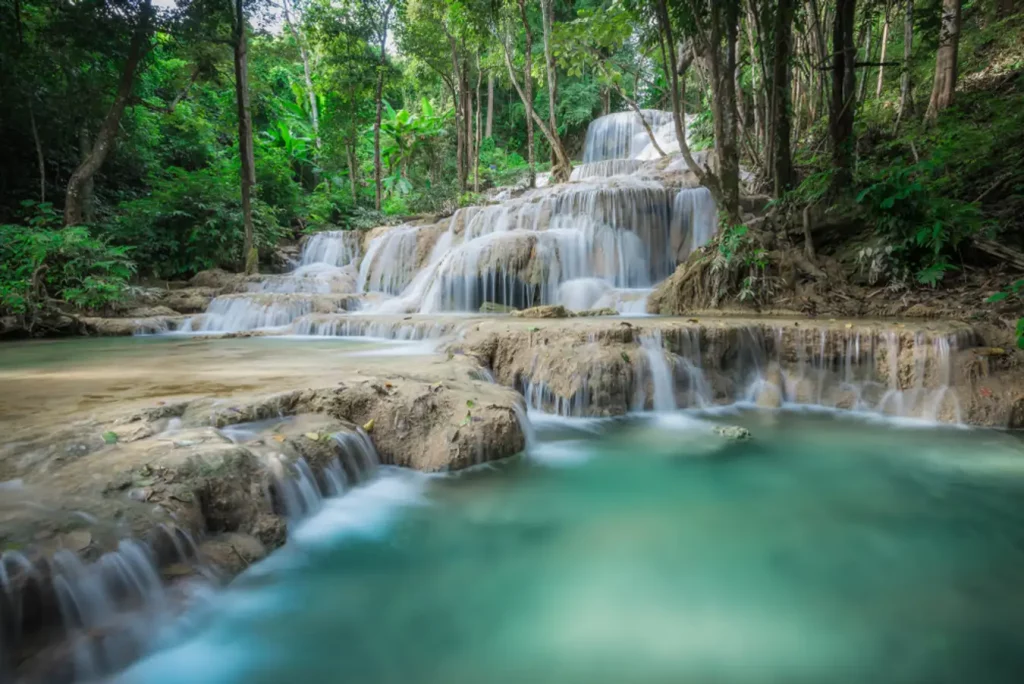
น้ำตกแม่แก้ ตั้งอยู่ไม่ไกลจากถ้ำผาไทและได้รับการยืนยันว่าเป็นน้ำตกที่สวยงามและเป็นที่นิยมมาก สามารถลงไปได้ประมาณ 14 ชั้น สูงรวมประมาณ 10 เมตร น้ำใส สวยงาม ไหลลงมาเป็นเส้นยาว นอกจากนี้น้ำตกหินปูนแห่งนี้ยังเดินได้สะดวกไม่ลื่นเหมือนน้ำตกอื่นๆ สถานที่ที่ต้องใช้ทักษะที่สมดุลที่สุดในการเยี่ยมชม หยุดให้เท้าเปียกและชื่นชมน้ำตกที่สวยงาม ท่ามกลางป่าเขียวขจีอันเงียบสงบก็ดีต่อใจไปอีกแบบหนึ่ง อย่างจริงจัง.
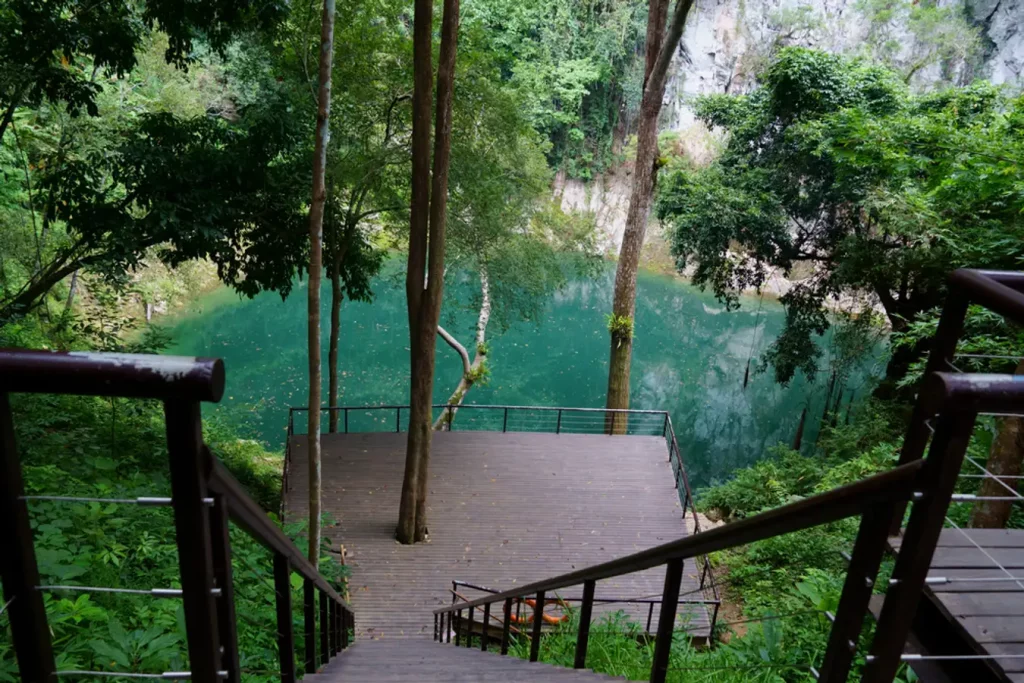
หล่มภูเขียว สถานที่แห่งนี้อยู่ในบริเวณเดียวกับน้ำตกถ้ำผาไทยและน้ำตกไม้กายสิทธิ์ เป็นทะเลสาบสีฟ้ากลางป่า เป็นแอ่งน้ำ เนื้อที่ประมาณ 1-2 ไร่ มีน้ำทะเลสีฟ้าใสสวยงาม โขดหินด้านล่าง และฝูงปลาว่ายได้ชัดเจน ความไม่สอดคล้องลึกกี่เมตร? แน่นอนว่าต้องลึกกว่า 40 เมตร ถ่ายรูปหรือเดินเล่นชมความสวยงาม ขอบสระเย็นสบายไม่หลุด
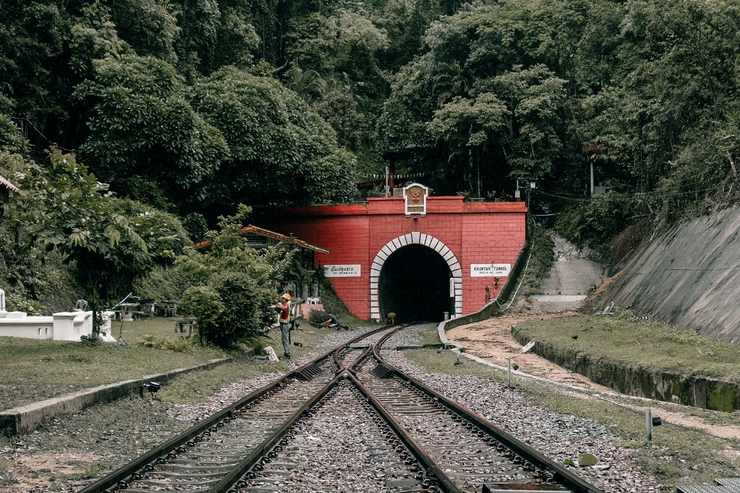
อุทยานแห่งชาติดอยขุนตาล หากใครเดินทางไปเชียงใหม่ด้วยรถไฟอาจเคยเห็นอุโมงค์รถไฟที่ยาวที่สุดของประเทศ ถ้ำขุนตาล แต่หลายคนอาจไม่รู้ว่าห่างจากถ้ำไม่ถึง 1.5 กิโลเมตร ถึงที่ทำการอุทยานแห่งชาติดอยขุนตาล อุทยานแห่งชาติที่ครอบคลุมพื้นที่ระหว่างจังหวัดลำปางและจังหวัดลำพูน ข้อดีคือเป็นอุทยานแห่งชาติแห่งเดียวในประเทศไทยที่สามารถเดินทางด้วยรถไฟได้เช่นกัน หากไม่ชอบความยุ่งยากในการเดินไปที่ทำการอุทยานฯ ก็มีลานกางเต็นท์ บนเส้นทางที่เย็นสบายแต่ถ้าใครอยากผจญภัยอีกสักหน่อยก็สามารถปีนดอยขุนตาลได้ ภูเขาลูกนี้มีความสูงประมาณ 1,373 เมตร และมีพื้นที่ตั้งแคมป์ก่อนถึงยอดเขา ใครอยากหยาบคายปานกลางควรตอบคำถามนี้
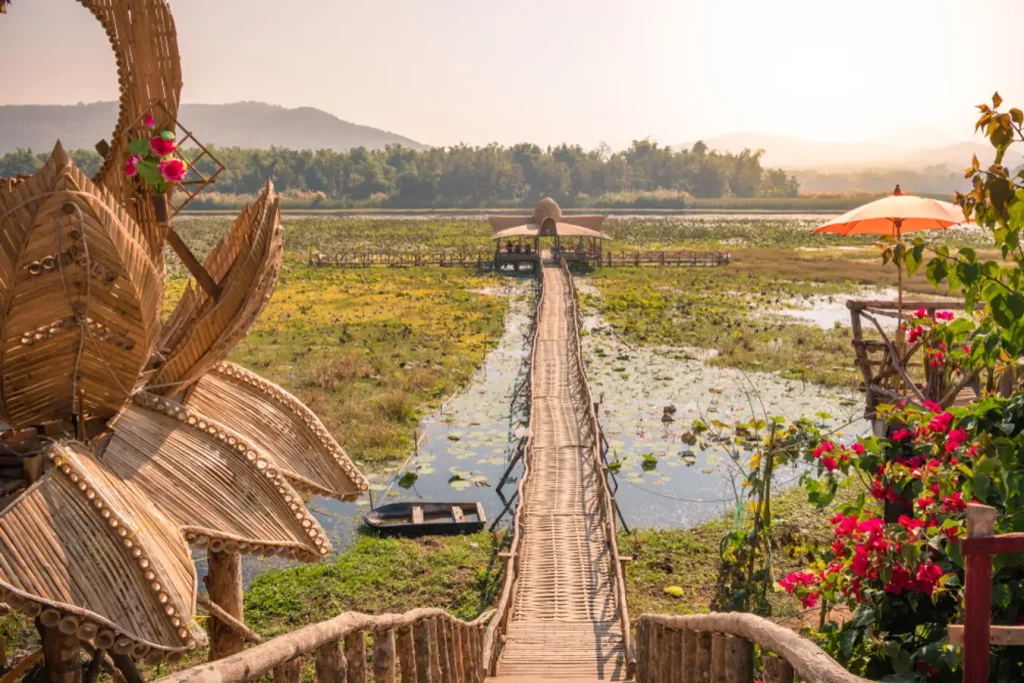
สะพานขัวแตะ บ้านน้ำโท้ง การประสานงานที่สำคัญอีกประการหนึ่งคือตำแหน่งแนวตั้งของปุ่มชัตเตอร์อย่างเหมาะสม ใครจะคิดว่าจะมีสระบัวที่จังหวัดลำปางความพิเศษของที่นี่คือมีสะพานไม้ไผ่ยาวประมาณ 100 เมตร และมีศาลาสไตล์โมเดิร์นอยู่กลางสระน้ำ ยังมาไม่ถึงใจกลางเพื่อชมความงามของดอกบัวริมทะเลสาบ การเปิดนี้ให้ความรู้สึกเป็นธรรมชาติโดยไม่ต้องเดินทางไกล เช้า-เย็น เป็นช่วงเวลาที่สวยงามที่สุดที่นี่ว่ากันว่ามีแสงสว่างเพียงพอ เวลาเป็นสิ่งที่ดี
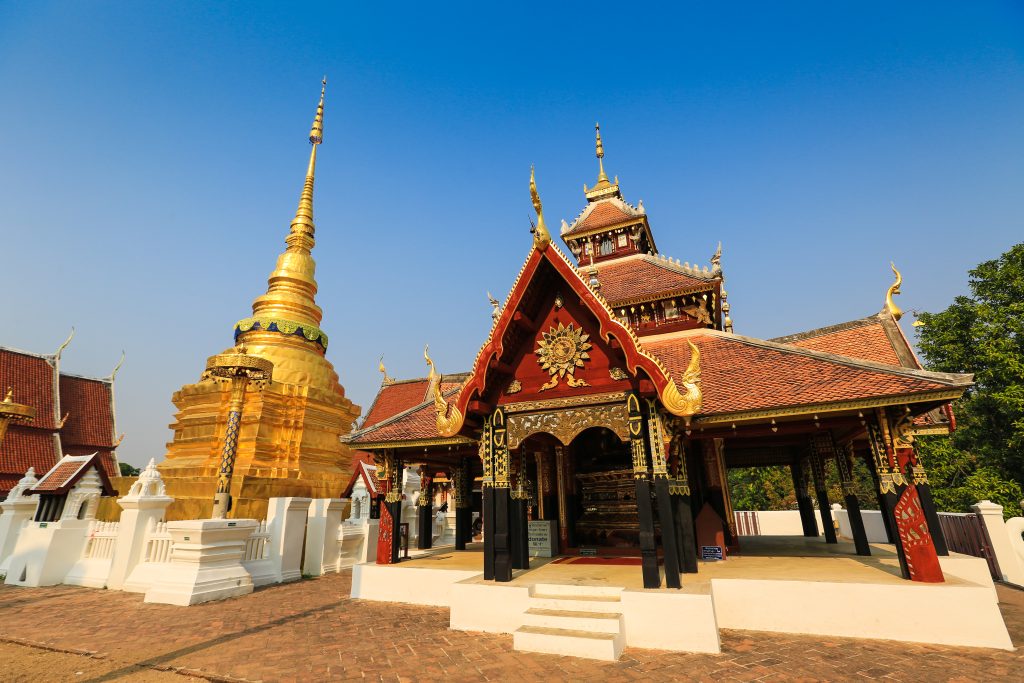
วัดปงสนุก วัดอายุกว่า 1,000 ปีอีกแห่งที่ตั้งถาวรในจังหวัดลำปาง เชื่อกันว่าสร้างขึ้นในสมัยของพระโอรสของสมเด็จพระนางเจ้าจามเทวี มีผลงานศิลปะที่สวยงามและมีเอกลักษณ์เฉพาะตัวจากราวปี 1223 และยังคงเป็นหนึ่งในสถานที่ทางประวัติศาสตร์อันทรงคุณค่าของเมือง 10 สถานที่ท่องเที่ยวจังหวัดลําปาง ภายในวัดมีพระธาตุทองคำและพระธาตุยามเช้านับพันองค์ รูปทรงของโถงมีพระพุทธรูป 4 องค์ทั้ง 4 ด้าน ถือเป็นสิ่งศักดิ์สิทธิ์อีกประการหนึ่งของชาวลำปาง ชาวลำปาง เชื่อว่ามาวัดแห่งนี้เพื่อขอพรและโชคดี รวบรวมของเก่าๆมาให้ชม ใครที่สนใจด้านศิลปะหรือประวัติศาสตร์ไม่ควรพลาด